Categories
Uncategorized

Using Radio Waves to Break the Silence: How NEPWU Is Fighting HIV Stigma and Discrimination across South Sudan

For many people living with HIV in South Sudan, the virus is not the only challenge they face. Stigma and discrimination continue to affect their daily lives, limiting access to healthcare, education, employment, and social support. Fear of being judged or rejected often prevents people from seeking HIV testing, disclosing their status, or remaining on treatment.


Recognizing these challenges, the National Empowerment of Positive Women United (NEPWU) has continued to use radio as a powerful platform to raise awareness, challenge harmful misconceptions, and promote acceptance of people living with HIV. Through regular radio talk shows and community discussions, NEPWU is reaching thousands of listeners with messages that encourage compassion, understanding, and respect for all people regardless of their HIV status on Radio Miraya, Eye Radio among others.


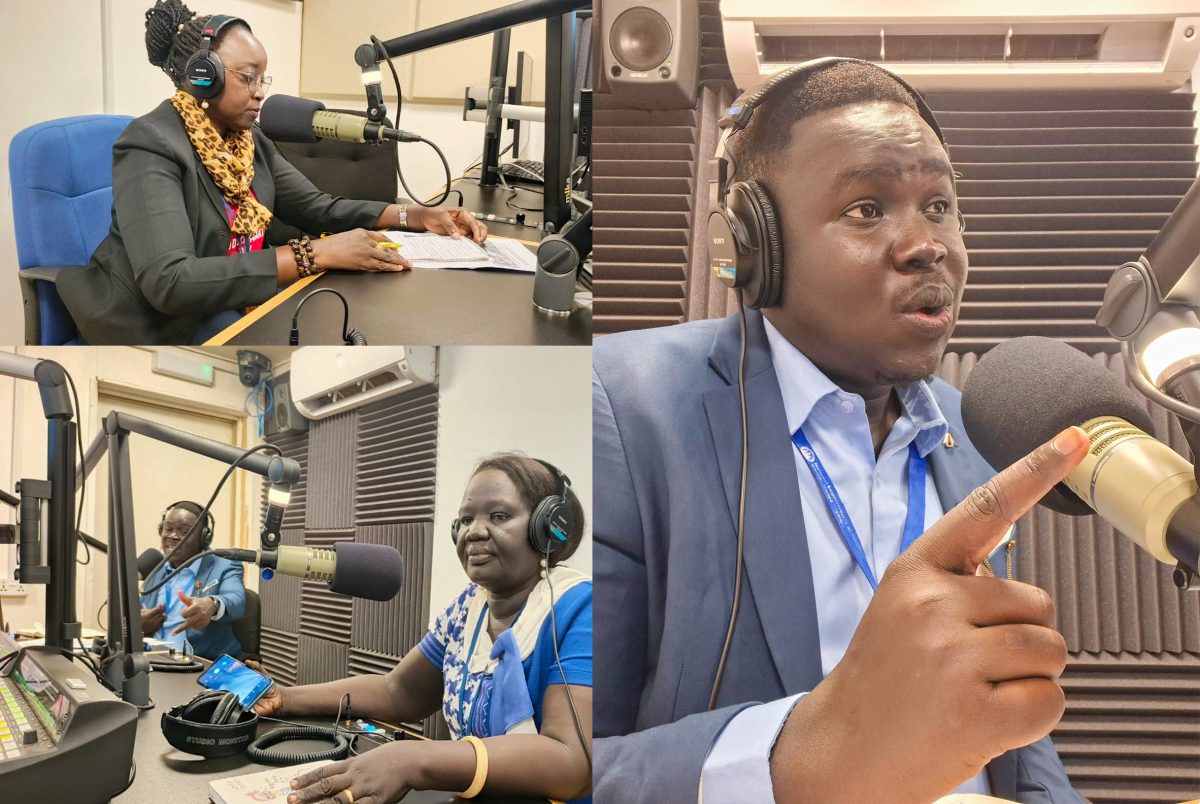
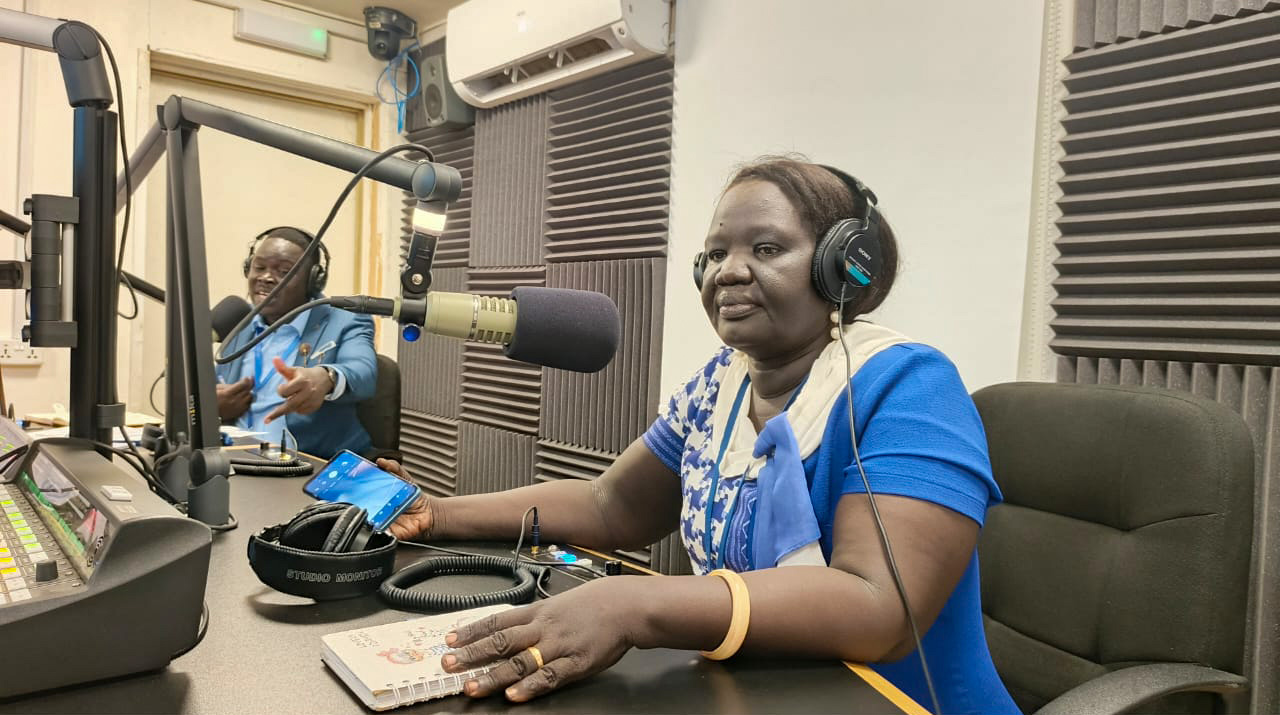
Recently, NEPWU participated in a radio talk show on Radio Miraya, one of the most widely listened-to radio stations in South Sudan. The discussion focused on HIV stigma and discrimination, their harmful effects on individuals and communities, and the collective responsibility of society to create an environment where people living with HIV can live with dignity.


During the talk show, NEPWU sensitized listeners on the dangers of stigma and discrimination and explained how these behaviors negatively affect HIV prevention, treatment, and care efforts. The discussion highlighted the importance of treating people living with HIV with respect and supporting them to access health services without fear of judgment.


Particular attention was given to the impact of stigma on school-going children living with HIV. Many children face bullying, isolation, and discrimination from peers, adult and teachers, which can affect their emotional well-being and interrupt their education. By bringing these issues to the public’s attention, the radio program encouraged families, teachers, and community leaders to create safe and supportive environments where every child can learn and thrive.


The program also served as a platform for advocacy. NEPWU called for stronger policies and legal protections for people living with HIV, emphasizing the need for laws and frameworks that safeguard their rights and protect them from discrimination in schools, workplaces, healthcare facilities, and communities.


The reach of Radio Miraya has made this effort particularly effective. With its extensive coverage across South Sudan, the station enables NEPWU to deliver life-changing messages to diverse communities, including those in remote areas where access to information may be limited. Through radio, NEPWU is able to engage a broad audience, spark meaningful conversations, and challenge long-held beliefs that contribute to stigma and discrimination.


The impact of these radio engagements extends beyond the airwaves when a studio line was opened for listeners to give their feedback. Community members are increasingly seeking accurate information about HIV, openly discussing issues that were once considered taboo, and demonstrating greater understanding toward people living with HIV. These changes, although gradual, represent important steps toward building a more inclusive and supportive society.


NEPWU remains committed to using radio and other communication platforms to reach even more communities across South Sudan. By continuing to educate, advocate, and amplify the voices of people living with HIV, the organization is helping to break down barriers, reduce stigma, and ensure that everyone has the opportunity to live a healthy and dignified life.


As South Sudan continues its fight against HIV, NEPWU believes that information, dialogue, and community engagement remain among the strongest tools for creating lasting change. Through the power of radio, hope, understanding, and acceptance are reaching homes across the country one broadcast at a time.


Categories
Uncategorized

Transforming Lives through Mentor Mothers: Strengthening PMTCT Services across South Sudan.


In communities across South Sudan, NEPWU is playing a critical role using Mentor Mothers (MM) in ensuring that pregnant and breastfeeding women access lifesaving HIV prevention, testing, treatment, and care services. Through MM dedication, compassion, and close engagement with mothers at health facilities and within communities, they are helping to protect mothers and their babies from HIV while promoting healthy pregnancies and safer deliveries.


During the second quarter reporting period, NEPWU continue to provide Prevention of Mother-to-Child Transmission (PMTCT) services across 16 health facilities in the country, reaching a total of 20,869 pregnant women (20,629) and their partners (240) with PMTCT-related HIV prevention messages at Antenatal Care (ANC) clinics. Their continuous follow-up, counseling, and encouragement contributed to increased uptake of HIV testing among expectant mothers and their partners.


As a result of these efforts, 3,153 clients were tested for HIV at ANC clinics, enabling early identification of HIV-positive mothers and timely access to treatment. Early testing remains one of the most effective strategies in preventing mother-to-child transmission of HIV, as it allows mothers to begin treatment and receive the support needed to protect their unborn children.


The impact of Mentor Mothers became even more evident in the identification and support of HIV-positive mothers. During the reporting period, 145 individuals tested HIV positive, and all were successfully linked to care and treatment services. A total of 145 HIV-positive clients were linked to care, demonstrating the effectiveness of the Mentor Mother approach in ensuring that no mother is left behind after receiving an HIV diagnosis.


Beyond testing and treatment linkage, Mentor Mothers continue to provide psychosocial support, adherence counseling, and follow-up services that help mothers remain engaged in care throughout pregnancy and breastfeeding. Their lived experiences enable them to build trust with clients, reduce fear and stigma, and inspire hope among women who may otherwise struggle to access or continue treatment.


The success achieved through PMTCT services highlights the importance of community-led interventions in the fight against HIV. By walking alongside pregnant and breastfeeding women throughout their journey, we are helping to ensure that more mothers know their HIV status, receive treatment on time, and give birth to HIV-free babies.


With continued support from the Global Fund through Cordaid, NEPWU is reach pregnant mothers with PMTCT services at ANC department across 31 facilities in South Sudan NEPWU remain at the forefront of efforts to eliminate mother-to-child transmission of HIV in South Sudan. Our work is not only improving health outcomes for mothers and children but is also strengthening communities and building a future where every child has the opportunity to be born free from HIV.

Categories
News Feed

Breaking the Cycle of Fear: Golda’s Story of Hope and Prevention

Every time I saw the outreach team coming, I disappeared. I was convinced that if I got tested, the result would be positive. I would rather live with fear than face what I believed was my fate.”

For more than 6 years, Golda, a KPs from South Sudan, lived with a fear that silently controlled her life. Having watched many of her friends (FSWs) test positive for HIV, she became convinced that she, too, was infected. The fear of knowing her status was so overwhelming that she avoided every opportunity to get tested.

Whenever HIV outreach services arrived at her hotspot through the Global Fund-supported HIV program implemented by NEPWU, Golda would quietly leave before the team reached her. She avoided conversations about HIV testing, ignored health education sessions, and declined repeated offers for HIV screening for two years.

“I thought that if I didn’t test, I would have peace,” Golda recalls. “Seeing many of my friends diagnosed with HIV made me believe that I was next. I was afraid that knowing my status would destroy my life.”

Golda’s fear is not uncommon among women from key populations. Stigma, discrimination, misconceptions about HIV, and fear of a positive diagnosis often prevent people from accessing life-saving services. As a result, many delay testing and miss opportunities for early prevention or treatment.

Everything changed when a trained peer educator decided not to give up on her.

Instead of waiting for Golda to attend an outreach session, the peer educator visited her personally. As a fellow female sex worker who understood the realities, fears, and challenges of the profession, she approached Golda with empathy rather than judgment. She listened to her concerns, shared her own experiences, and explained the importance of knowing one’s HIV status as the first step toward making informed decisions about health and the future.

She emphasized that an HIV test is not something to fear it is a tool for empowerment. Whether the result is positive or negative, knowing one’s status opens the door to appropriate care, treatment, or prevention services.

“The way she spoke to me was different,” Golda says. “She didn’t force me. She understood my fears because she had walked the same journey. For the first time, I felt safe enough to say yes.”

Encouraged by the trust she had built with the peer educator, Golda finally agreed to be tested. When her result came negative, she was surprised because its contrary to what she thought as being positive, she became joyful, The relief she felt was overwhelming, but it was accompanied by a new sense of responsibility. The counseling she received after testing helped her understand that remaining HIV-negative required consistent prevention measures.

Immediately after receiving her results, Golda was initiated on Pre-Exposure Prophylaxis (PrEP) and received comprehensive prevention counseling, including the consistent and correct use of condoms. Today, she remains committed to taking PrEP as prescribed, uses condoms consistently, and regularly accesses HIV prevention services.

More importantly, Golda has become a strong advocate among other KPs. Drawing from her own experience, she encourages her peers not to let fear prevent them from knowing their HIV status.

“I wasted many years running away because of fear,” she says. “Now I know that testing gave me freedom, not fear. Knowing I am HIV negative motivated me to protect myself. I tell my friends that the earlier you know your status, the better choices you can make.”

Golda’s journey demonstrates the transformative power of peer-led, community-based HIV programming. Her story highlights how trusted peer educators can overcome fear, reduce stigma, and connect members of key populations to essential prevention services. Through personalized counseling, HIV testing, PrEP, and condom promotion, the Global Fund-supported program implemented by NEPWU is helping women like Golda take control of their health and remain HIV-free.

Golda’s story is a testament that the greatest barrier to HIV prevention is often not distance or lack of services, it is fear. With trusted peers, accurate information, and compassionate support, that fear can be replaced with confidence, informed choices, and hope for a healthier future.


Categories
Uncategorized

The Importance of Awareness and Eradicating Stigma and Discrimination in the Fight against HIV/AIDS

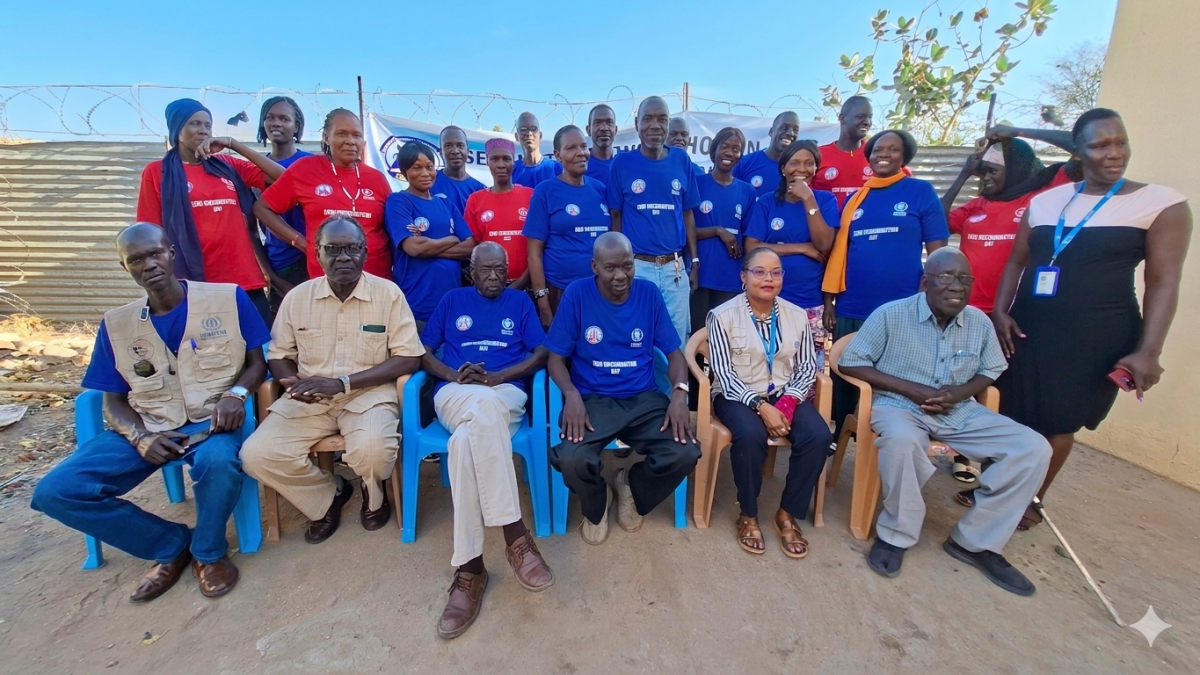
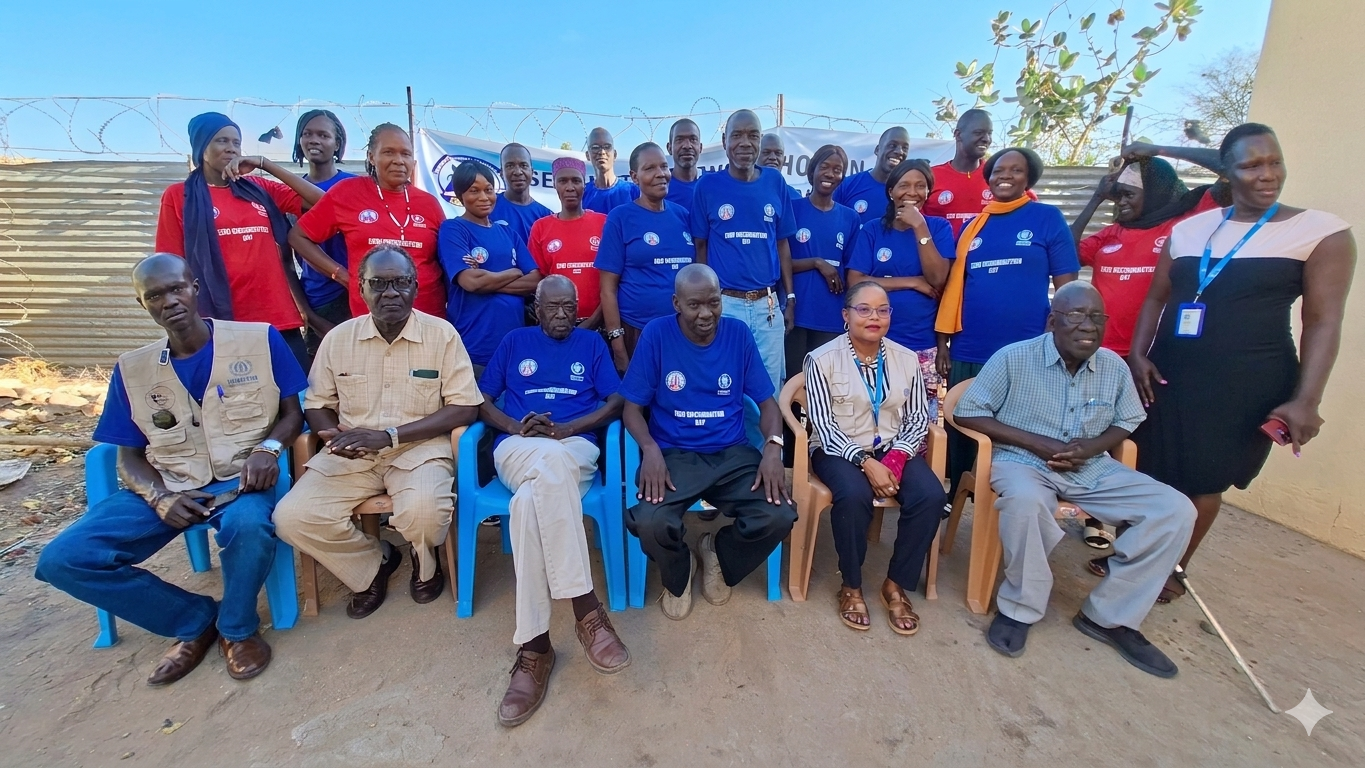
Participants sitting and standing for Group photos together with NEPWU’s staff and WFP Head of Programmes in Renk County. Photo// NEPWU 17th April 2026

HIV-related stigma and discrimination remain among the greatest barriers to effective prevention, treatment, and care. As highlighted during the awareness workshop conducted in Renk County, Upper Nile State, stigma continues to isolate people living with HIV (PLHIV), discouraging them from seeking testing, treatment, and psychosocial support.


These negative attitudes not only violate human rights but also undermine public health efforts, leading to delayed diagnosis, poor adherence to treatment, and preventable deaths. Therefore, raising awareness and actively working to eliminate stigma is not optional it is a critical component in the fight against HIV/AIDS.

At the community level, awareness plays a transformative role in shaping attitudes and behaviors. Many misconceptions about HIV persist due to limited knowledge, cultural beliefs, and misinformation. Community based awareness initiatives help correct these misunderstandings by providing accurate information about transmission, prevention, and treatment. When communities are informed, fear and prejudice begin to decline, creating a more supportive environment for PLHIV.

The workshop in Renk demonstrated that engaging community leaders and members fosters collective responsibility, encouraging communities to take ownership in protecting the rights and dignity of affected individuals. This inclusive approach strengthens social cohesion and ensures that no one is left behind.

Teachers also play a crucial role in eradicating stigma and discrimination. Schools are powerful platforms for shaping the attitudes of young people, and early education can prevent the development of discriminatory behaviors. By equipping teachers with accurate knowledge about HIV, they can confidently educate students, challenge myths, and promote values of respect and inclusion. As emphasized in the workshop, teachers are not only educators but also role models who influence how students perceive and treat others.

Health personnel are equally central in this fight, as they serve as the primary point of contact for individuals seeking HIV services. However, the workshop revealed that stigma can sometimes exist within healthcare settings themselves, negatively affecting the quality of care provided. Continuous awareness and training for medical workers are essential to reinforce professional ethics, promote non-judgmental attitudes, and ensure that all patients are treated with dignity and confidentiality. When healthcare providers are well-informed and compassionate, they create safe spaces that encourage individuals to seek timely care, adhere to treatment, and live healthier lives.

The awareness workshop in Renk County stands as a strong example of how multi-sectorial collaboration can address stigma effectively. Bringing together 30 participants including 5 teachers, 6 community leaders, 5 medical workers, 4 local government officials, and 10 PLHIV ensured diverse perspectives and a unified commitment to change. Such inclusive participation enhances the impact of awareness efforts and promotes shared accountability across all sectors of society.

Special appreciation is extended to the World Food Programme (WFP) for funding and supporting this important initiative in Renk County, Upper Nile State. Their contribution made it possible to convene key stakeholders and strengthen the fight against stigma and discrimination. This partnership demonstrates that achieving zero discrimination is not only a health priority but also a broader development goal linked to dignity, equality, and community well-being.

Awareness is a powerful tool in the fight against HIV/AIDS. By addressing stigma and discrimination at community, school, and healthcare levels, societies can create an enabling environment where PLHIV are respected, supported, and empowered. Sustained efforts, partnerships, and continued education are essential to ensure that the vision of zero stigma becomes a reality.

Categories
Uncategorized

“Rising from the Ashes: A Survivor’s Story of Hope and Healing”

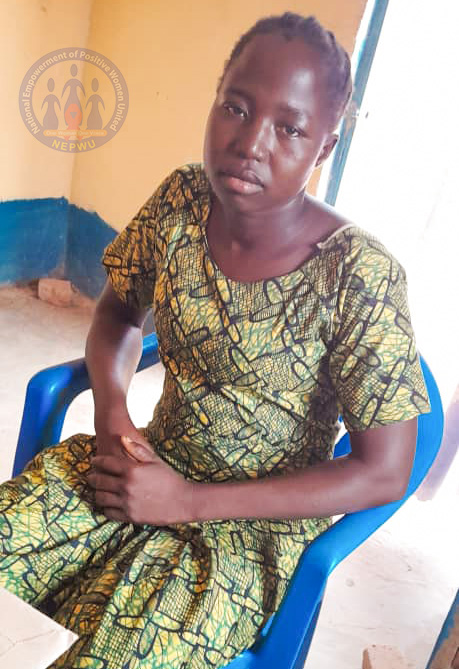
Gloria Mario Posting for a photo at NEPWU field Office in Nzara County-Western Equatoria state

Living in a conflict-affected area is not only catastrophic, it strips away more than just safety, takes away loved ones, dignity, and the ability to dream. At a tender age, Gloria Mario discover herself in the midst of conflict in Tombura County a place that has been torn apart by conflict in Western Equatoria State for Years.

Gloria was raised by hardworking parents who dreamed of a better future for their children. They hoped Gloria would finish school and achieve her goal of becoming a nurse. But everything changed during the conflict. Her father was tragically killed by unknown gunmen. “Life became incredibly hard for me,” Gloria recalls. With her father’s death, she lost not just a parent, but a source of protection, guidance, and emotional support. Her dreams began to fade, and she soon relocated to Nzara County in search of safety

“I never imagined that losing my father would be the beginning of a life filled with fear, survival, and silence. But it was also the path that led me to discover my strength”.

Alone and without support, Gloria was overwhelmed by hardship. Struggling to survive, she felt pressured into exchanging sex for money a means to afford school fees and basic needs in a time of rising inflation. “It was a life filled with pain and shame, but I had no choice” she ad

ds.

The little penny gained from traditional unwanted activities support her in the school and purchase her basic needs due to the economic inflation.

During location-based outreach Programme by peer educators in hotspot area of the high risk population in Nzara County, everything changed when Gloria met NEPWU’s peer educators implementing Global Fund activity under the project “integrating service for maximum impact” through UNDP

The peer educators became a turning point in her life. “They offered not only emotional and psychological support but also restored my dignity. Through their guidance, I learned to recognize my worth. I now have the confidence to say “No” to exploitation and to make choices that protect my health and future”, She adds

The peer educators counsel and seek her consent to be tested for HIV. The results turned negative. This moment gave Gloria a new lease of life.

Today, Gloria feels empowered and deserted commercial sex activities from Tombura and begin rebuilding her life, “I have hope. And I’m determined to build a better future for myself and for others like me”.

Currently with support from UNDP, NEPWU is reaching the KVPs with HIV, STI preventive messages and providing psychosocial first aid to high risk population who suffered GBV in six different states across South Sudan. The project brings HIV testing, condom distribution, PrEP, STI screening, and treatment services closer to the beneficiaries and their clients, making it easier for them to access care without stigma or discrimination.

By providing comprehensive prevention packages, including condoms, regular testing, and health education, the project significantly reduces new HIV infections among a high-risk population. It also ensures that those who test positive for HIV are quickly linked to antiretroviral treatment and psychosocial support, improving treatment adherence and viral suppression rates.

Categories
Uncategorized

Breaking Barriers, Saving Lives: The Tireless Work of Peer Educators in HIV Prevention

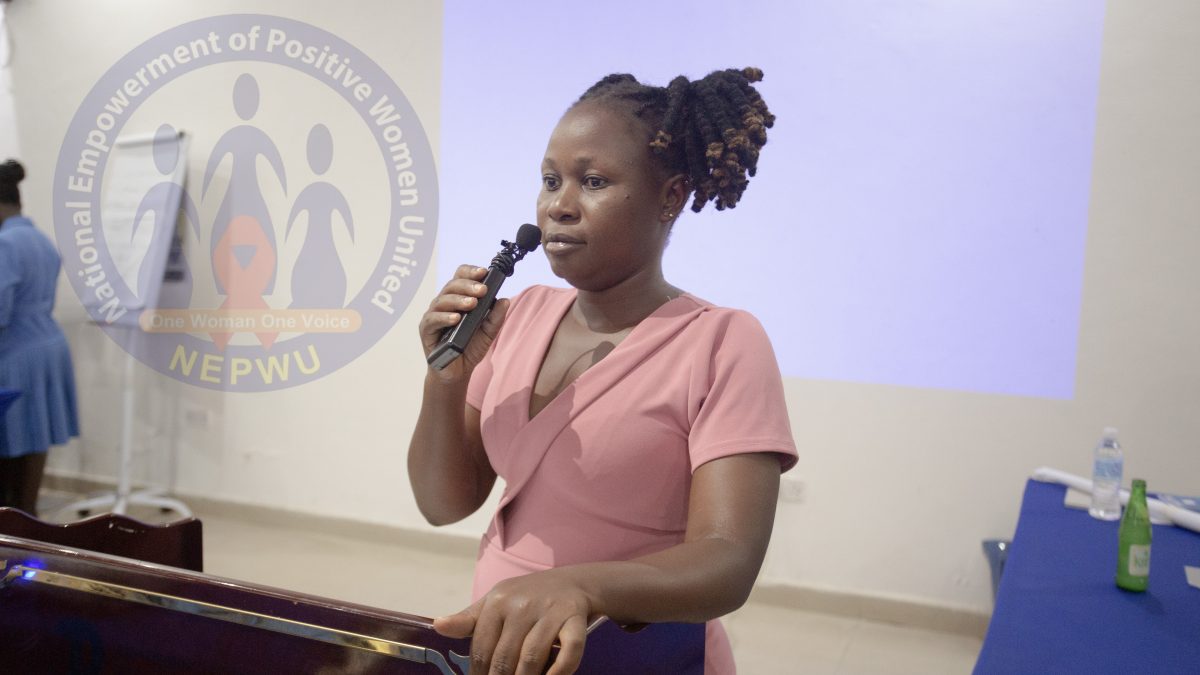
Maria Nazziwa-Peer Educator working with NEPWU in Minkaman-Awerial County Lake State.


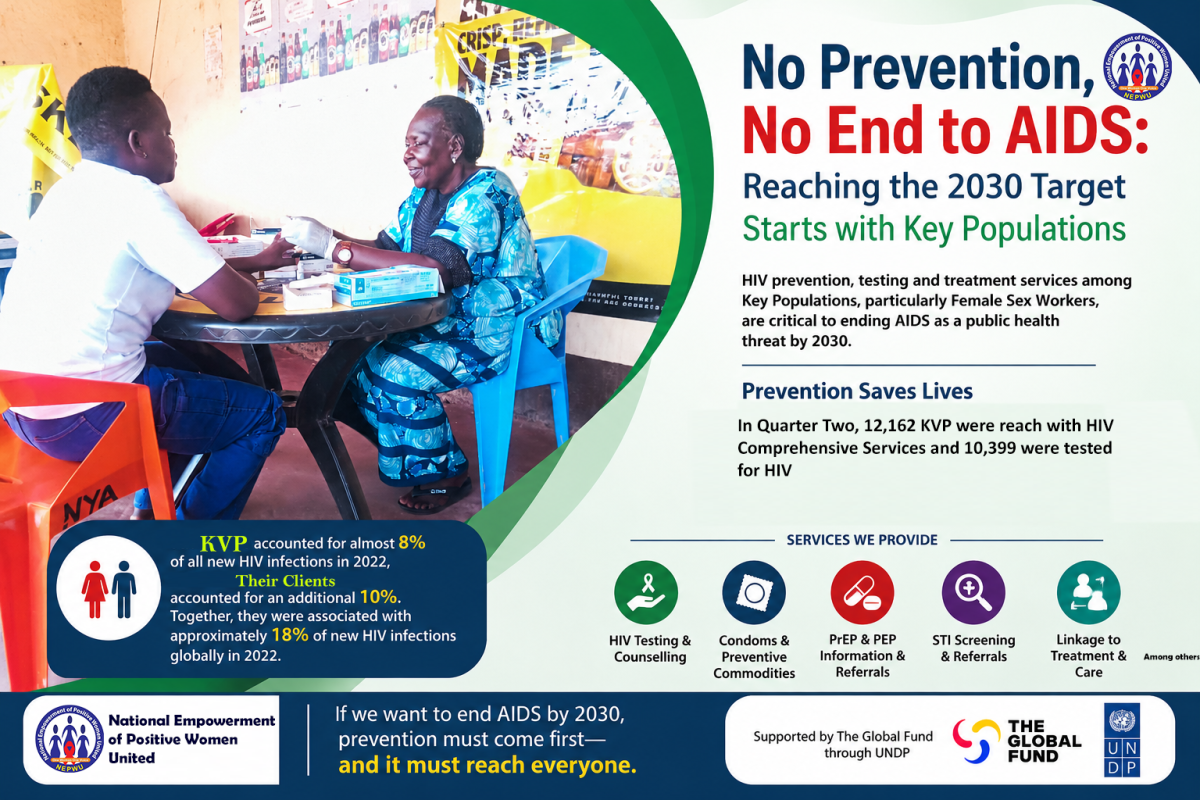
In South Sudan, where access to health services for key populations remains a persistent challenge, the Integrating Service for Maximum Impact project by Global Fund Through UNDP has emerged as a lifeline for the KVP. Implemented by the National Empowerment of positive Women United-NEPWU in six states across the country, this initiative is dedicated to delivering a comprehensive HIV prevention package saving lives, restoring dignity, and fostering hope.

At the heart of this success are the peer educators’ unsung heroes whose dedication goes beyond duty. Working tirelessly, often in challenging environments and with limited resources, these courageous men and women have become trusted bridges between the community and lifesaving services. Their empathy, sacrifice, and persistence have enabled NEPWU to reach 5,916 FSWs with targeted HIV prevention messages during the reporting period within just six months (Jan-June).

Through one-on-one interactions, group sessions, and discreet outreach in hotspots, peer educators not only share critical information about their practices, condom use, and STI prevention, but also break down barriers of fear and stigma that too often prevent individuals from seeking care. They are more than messengers they are companions in the journey toward better health.

Thanks to their relentless commitment, 2,550 people were tested for HIV. Those who received a positive diagnosis were immediately linked to care and treatment services, ensuring that no one is left behind. This proactive approach is vital in reducing HIV transmission rates and improving the quality of life for those living with the virus.

NEPWU’s role in this mission is equally significant. By designing and coordinating community-driven strategies, the organization ensures that services are accessible, inclusive, and rights-based. NEPWU works closely with community leaders, health facilities, and government stakeholders to create an enabling environment where key populations especially female sex workers can access the full spectrum of HIV prevention, testing, and treatment without discrimination.

Operating in six states across South Sudan, NEPWU’s implementation of the Integrating Service for Maximum Impact project is more than just a program, it is a commitment to social justice, public health, and human dignity. The combination of peer-led outreach and organizational leadership has proven to be a winning strategy, turning the tide against HIV in some of the most marginalized communities.

As the project moves forward, NEPWU remains steadfast in its mission: to empower female sex workers, dismantle stigma, and ensure that HIV prevention and care are not just services, but rights accessible to all. The dedication of peer educators stands as a testament to the power of community-driven action reminding us that with compassion, sacrifice, and persistence, lasting change is possible.

Categories
Uncategorized

NEPWU Empowering Lives on the Move – A Truck Driver’s Journey with HIV Prevention in Nimule.

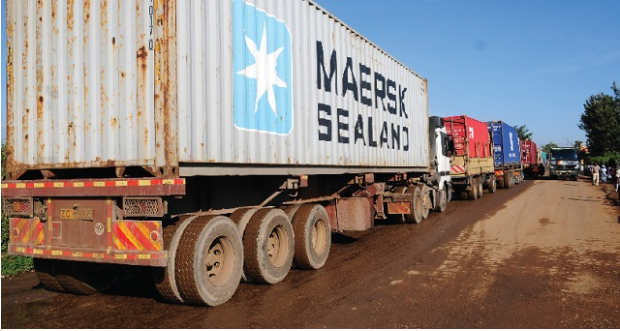
It was a sweltering afternoon at the bustling Nimule border post, where the noise of revving engines, the shuffle of paperwork, and the tension of long waits filled the air. Among the tired drivers parked under the shade of their trucks was a Kenyan driver named Abdallah Karim in his late 30s, preparing for the final stretch of his long journey to Juba. Like many in his line of work, life on the road was routine lonely nights, risky encounters, and little time to think about health.

As he leaned against his truck, two Peer Educators from the National Empowerment of Positive Women United (NEPWU) approached him with a calm, respectful demeanour. They weren’t there to lecture, but to interact and talk about something rarely discussed at truck stops: HIV prevention and sexual health.

At first, he was sceptical. “I thought they were trying to sell me something,” he recalled. “But they spoke to me like a close friend, not just a driver.”

What followed was a life-changing conversation. The Peer Educators invited him where they stationed along the road and spoke about the high risks faced by mobile populations like truck drivers who spend weeks on the road, far from families, often exposed to situations where protection and awareness could mean the difference between life and death.

Abdallah responded positively, “I have taken many years without hearing about HIV and how one can protect their selves, thank you for calling me here and sharing this information with me.

He was provided with a pack of condoms, but more importantly, he received something even more valuable that is a clear, respectful demonstration on how to use them correctly. The educators explained how to check for expiry dates, how to properly put on and dispose of a condom, and answered every question without judgment.

“I had never been shown that before,” he said. “It was simple, but it made all the difference. I felt empowered. I’ve crossed many borders in my life, but this was the first time someone stopped me not to check my cargo, but to check if I was okay.”

Before getting back behind the wheel, he paused and thanked the NEPWU team:
“What you’re doing is not small. You’re helping us stay alive. You’ve given me knowledge I will carry home to my wife and friends.”

His story is just one among many, yet it reflects the real impact of the project “INTEGRATING SERVICE FOR MAXIMUMIMPACT” led by NEPWU with support from the UNDP and Global Fund. By reaching individuals in overlooked spaces—like border points and truck stops, this initiative is not only preventing HIV and STIs, but building trust, spreading dignity, and transforming lives.

Peer Educators in Nimule have been reaching out to high-risk mobile populations, including truck drivers, with tailored HIV prevention services.

Trucks stationed at Nimule Border Point awaiting clearance to Uganda