
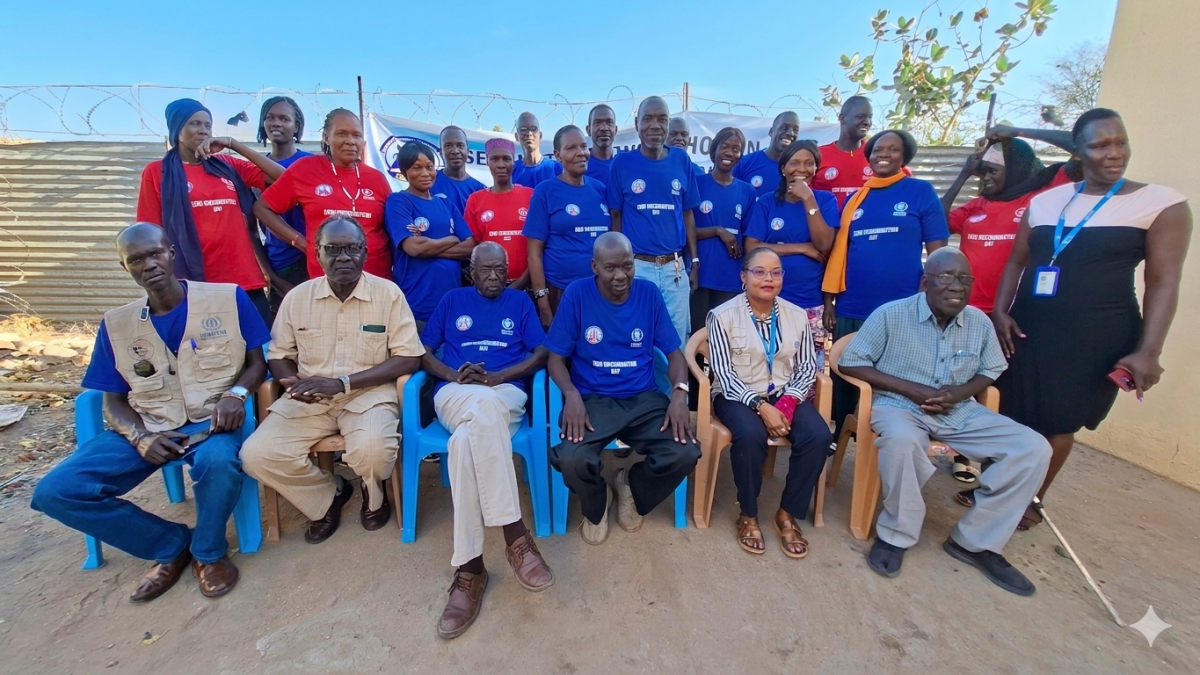
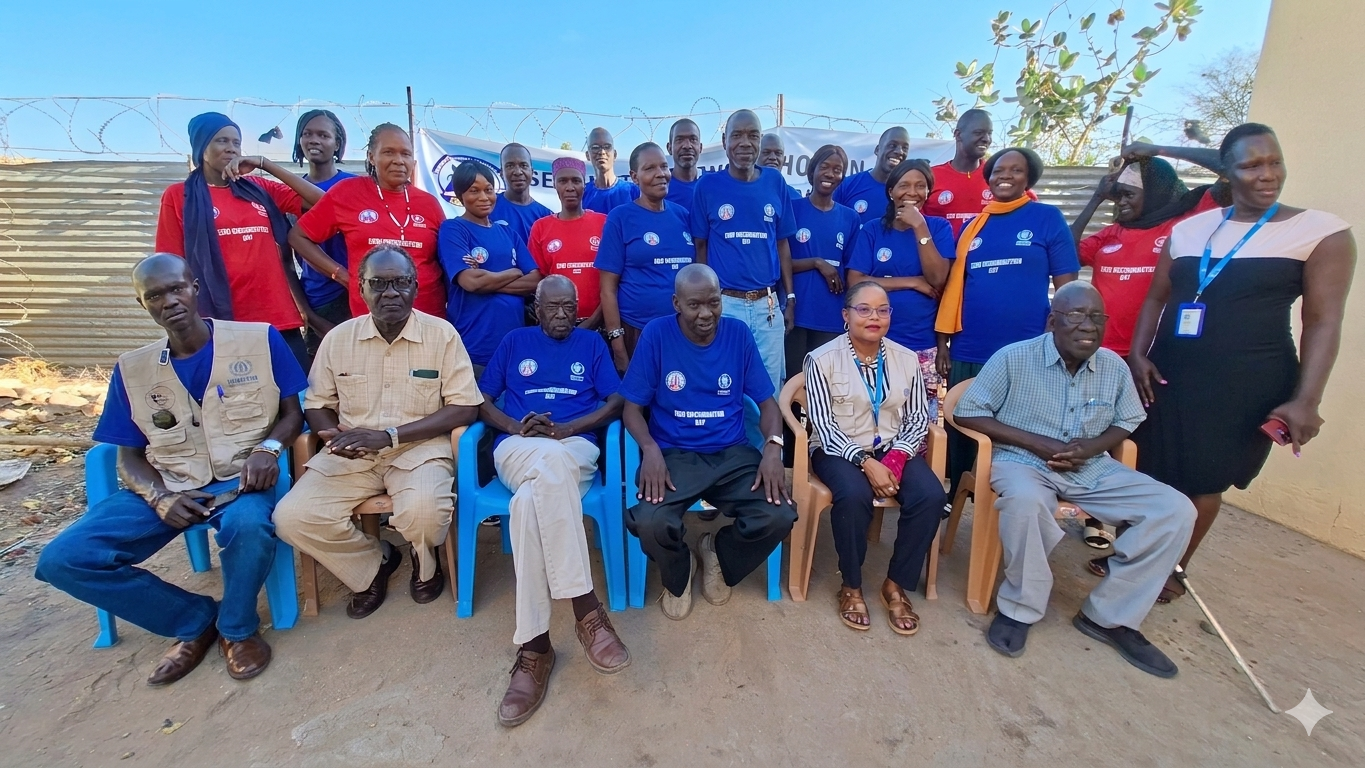
HIV-related stigma and discrimination remain among the greatest barriers to effective prevention, treatment, and care. As highlighted during the awareness workshop conducted in Renk County, Upper Nile State, stigma continues to isolate people living with HIV (PLHIV), discouraging them from seeking testing, treatment, and psychosocial support.
These negative attitudes not only violate human rights but also undermine public health efforts, leading to delayed diagnosis, poor adherence to treatment, and preventable deaths. Therefore, raising awareness and actively working to eliminate stigma is not optional it is a critical component in the fight against HIV/AIDS.
At the community level, awareness plays a transformative role in shaping attitudes and behaviors. Many misconceptions about HIV persist due to limited knowledge, cultural beliefs, and misinformation. Community based awareness initiatives help correct these misunderstandings by providing accurate information about transmission, prevention, and treatment. When communities are informed, fear and prejudice begin to decline, creating a more supportive environment for PLHIV.
The workshop in Renk demonstrated that engaging community leaders and members fosters collective responsibility, encouraging communities to take ownership in protecting the rights and dignity of affected individuals. This inclusive approach strengthens social cohesion and ensures that no one is left behind.
Teachers also play a crucial role in eradicating stigma and discrimination. Schools are powerful platforms for shaping the attitudes of young people, and early education can prevent the development of discriminatory behaviors. By equipping teachers with accurate knowledge about HIV, they can confidently educate students, challenge myths, and promote values of respect and inclusion. As emphasized in the workshop, teachers are not only educators but also role models who influence how students perceive and treat others.
Health personnel are equally central in this fight, as they serve as the primary point of contact for individuals seeking HIV services. However, the workshop revealed that stigma can sometimes exist within healthcare settings themselves, negatively affecting the quality of care provided. Continuous awareness and training for medical workers are essential to reinforce professional ethics, promote non-judgmental attitudes, and ensure that all patients are treated with dignity and confidentiality. When healthcare providers are well-informed and compassionate, they create safe spaces that encourage individuals to seek timely care, adhere to treatment, and live healthier lives.
The awareness workshop in Renk County stands as a strong example of how multi-sectorial collaboration can address stigma effectively. Bringing together 30 participants including 5 teachers, 6 community leaders, 5 medical workers, 4 local government officials, and 10 PLHIV ensured diverse perspectives and a unified commitment to change. Such inclusive participation enhances the impact of awareness efforts and promotes shared accountability across all sectors of society.
Special appreciation is extended to the World Food Programme (WFP) for funding and supporting this important initiative in Renk County, Upper Nile State. Their contribution made it possible to convene key stakeholders and strengthen the fight against stigma and discrimination. This partnership demonstrates that achieving zero discrimination is not only a health priority but also a broader development goal linked to dignity, equality, and community well-being.
Awareness is a powerful tool in the fight against HIV/AIDS. By addressing stigma and discrimination at community, school, and healthcare levels, societies can create an enabling environment where PLHIV are respected, supported, and empowered. Sustained efforts, partnerships, and continued education are essential to ensure that the vision of zero stigma becomes a reality.
